ZONING INFO & PERMITS
Introduction to Zoning
Zoning information is essential for urban development, as it helps organize the growth of the township in an orderly manner, protects the quality of life of citizens, and ensures that activities and constructions are compatible with the environment. Townships often make this information publicly available so that homeowners, builders, and citizens in general know what is allowed in each area.
For property owners zoning information is crucial when planning new construction or renovations. Understanding zoning laws helps avoid costly mistakes, such as building in a way that violates local regulations. It also informs them of the permits and approvals they need to proceed with their projects.
For residents, knowing the zoning rules for their neighborhood provides clarity on what types of developments are allowed and ensures that the character of their community is preserved.
By establishing guidelines for land use, zoning protects the character of neighborhoods, promotes organized growth, and ensures a balance between residential, commercial, industrial, and recreational spaces.
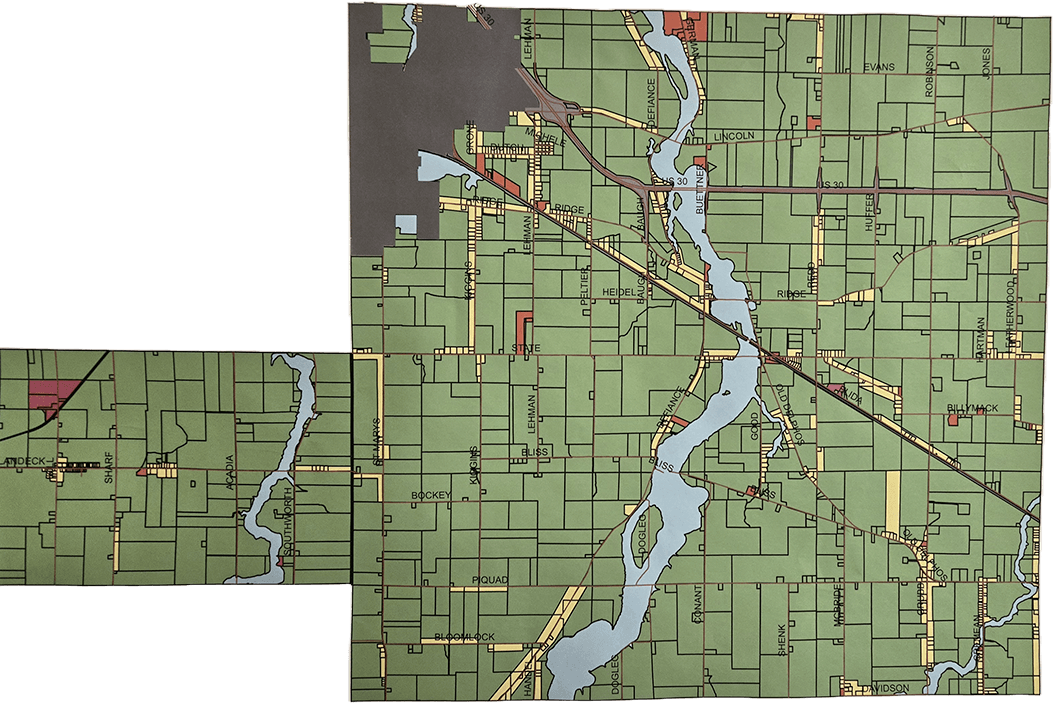
Zone Classification
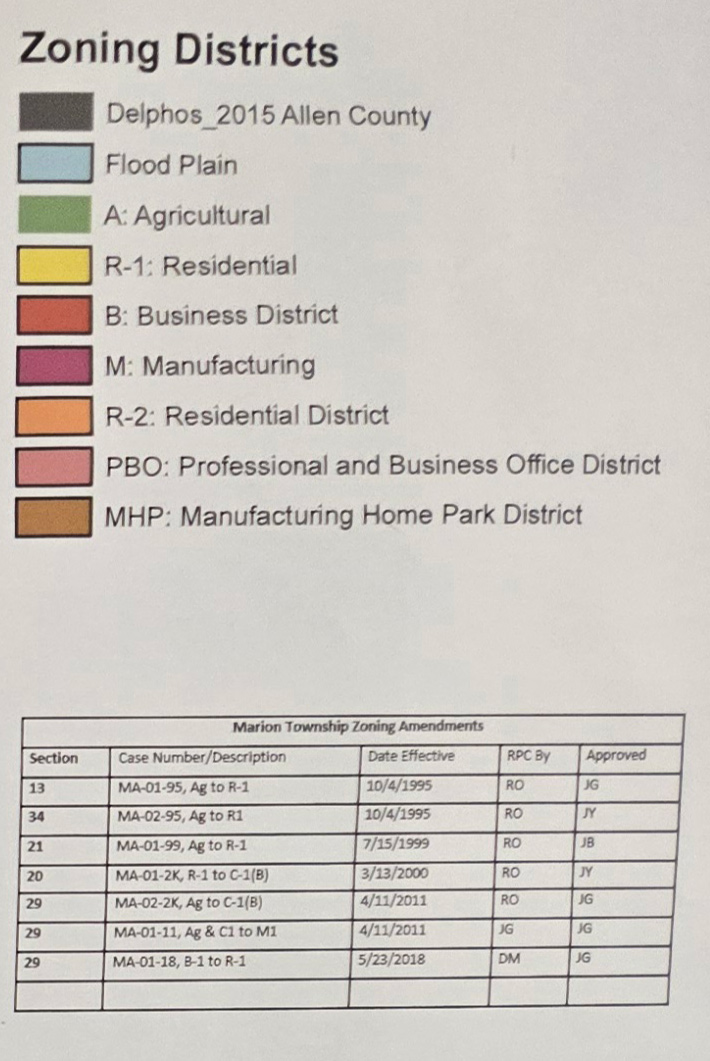
- Residential Zones: Areas designated for housing, where the construction of single-family homes, apartments, or condominiums is permitted. Zoning regulations may dictate the density of housing, the height of buildings, and the minimum distance between structures.
- Commercial Zones: These areas are reserved for businesses, such as offices, shops, restaurants, and other commercial establishments. Zoning laws in these zones focus on accommodating traffic, providing parking, and ensuring that businesses do not disrupt nearby residential areas.
- Industrial Zones: Areas where factories, warehouses, and other industrial activities can take place. Regulations in industrial zones often address issues such as noise, pollution, and safety to protect surrounding communities.
- Mixed-Use Zones: These zones allow for a combination of residential, commercial, and sometimes industrial uses. They are often found in urban centers where diverse activities coexist, promoting vibrant, walkable communities.
- Protected or Historic Zones: Some areas may be zoned for conservation, preserving historic buildings, natural landscapes, or agricultural land. In these zones, restrictions are stricter to maintain the area’s character or protect it from development.
Permits and Documents
When seeking to build, renovate, or change the use of a property, residents and developers must often apply for zoning permits. Check the information on how to apply for these permits and the requirements that must be met.